


Compare
The short answer
For US SOC 2 and ISO 27001 work, these two are close enough that most buyers decide on price, sales experience and which integrations they already need. Vanta has the larger integration library and a more mature trust center. Drata's audit workflow is built tightly around how US audit firms run engagements. Neither publishes a price. The comparison changes shape entirely if your obligations include filing with a European regulator, which is where a third option belongs.
Disclosure: Venvera is one of the products compared here, so treat the Venvera rows as an interested party's account. Statements about other vendors come from their own public pages, loaded and checked on 10 August 2026, and the screenshots below are those checks. Products change; verify anything that matters before you sign.
On this page
Where Drata and Vanta genuinely differ
Strip out the marketing and the real differences are narrow. For the newer entrant in the same market, see Vanta vs Delve.
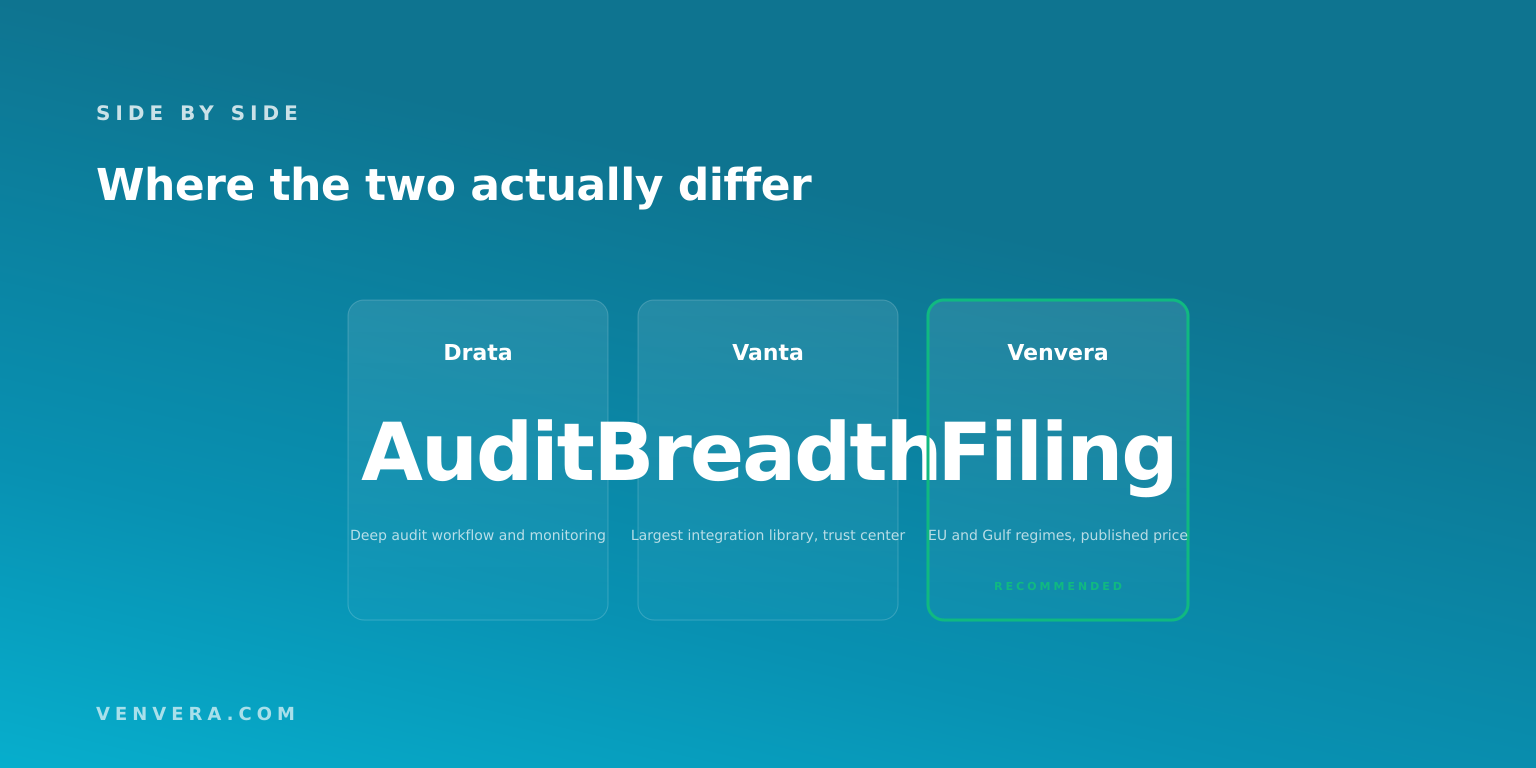
Integration breadth. Vanta publishes close to 500 integration pages. If your stack contains something unusual, Vanta is more likely to have a connector already built. This is the single most practical difference between them and it is the one most likely to decide your evaluation.
Trust centers and questionnaires. Vanta acquired capability in this area and it shows in the depth of the trust center and security questionnaire automation. Drata has invested here too, including through acquisition. Both are credible; Vanta's is the more established.
Audit workflow. Drata's audit hub is built around how US audit firms actually run an engagement, and firms that work in it regularly tend to find it smooth.
How they sell. Worth naming because it affects the total cost more than most feature differences. Both quote per customer and renegotiate at renewal.
What they share, which is most of it
Continuous control monitoring, evidence collection, policy management, personnel and access tracking, risk registers, vendor management, and a broad framework catalogue covering SOC 2, the ISO 27000 family, HIPAA, GDPR, PCI DSS and more. Both are mature, well-staffed and used at scale.
If a comparison page tells you one of these is transformatively better than the other at core compliance automation, be sceptical. The category has converged. That is why so much of the content ranking for this query is written by the two companies about each other.
Pricing: neither publishes one
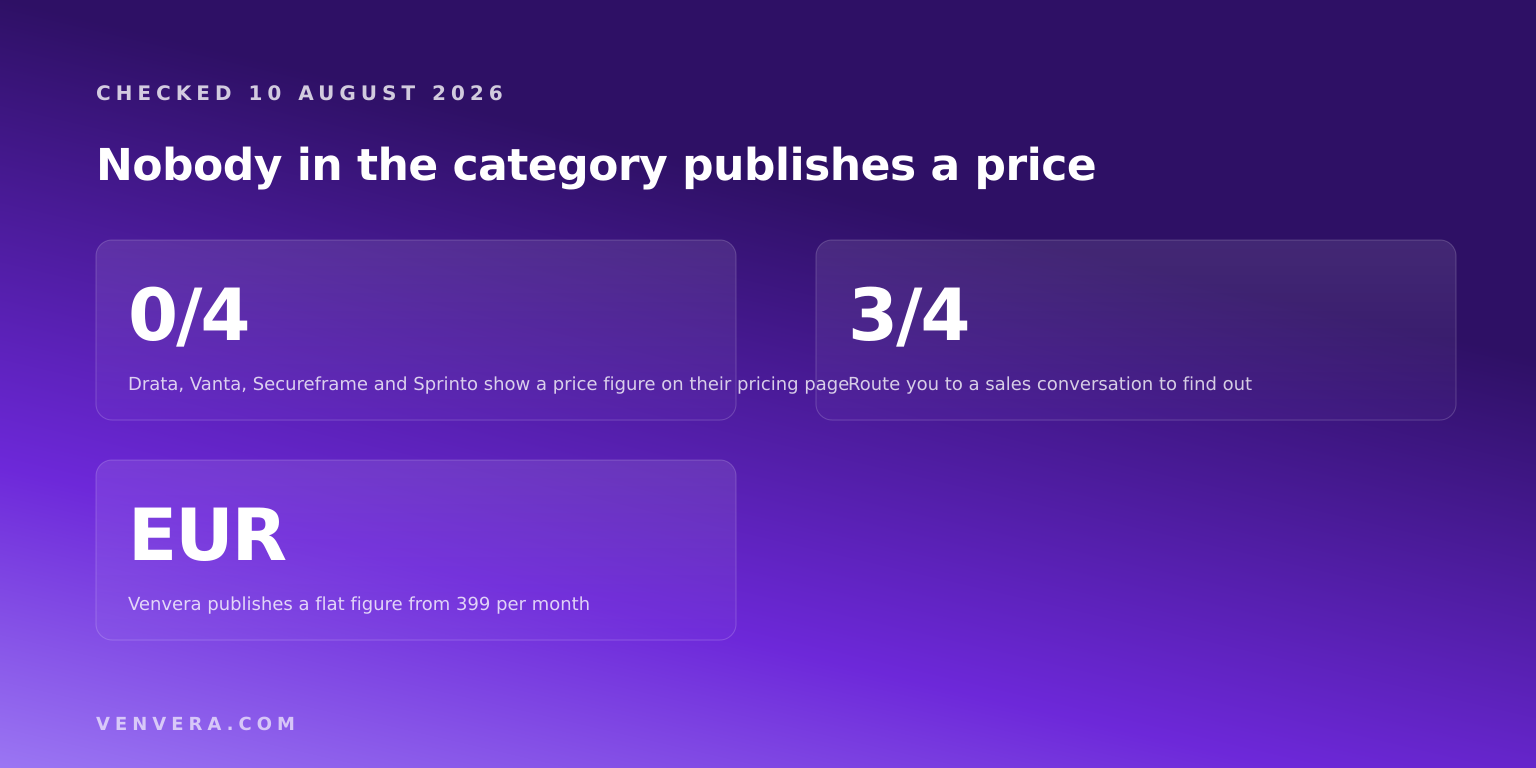
We checked this rather than assuming it. On 10 August 2026 each vendor's public pricing page was loaded and inspected for a price figure. None of Drata, Vanta, Secureframe or Sprinto displays one. Drata, Vanta and Secureframe route you to a sales conversation to find out. Venvera publishes a flat figure, from EUR 399 per month, which is the exception in this category rather than the norm.
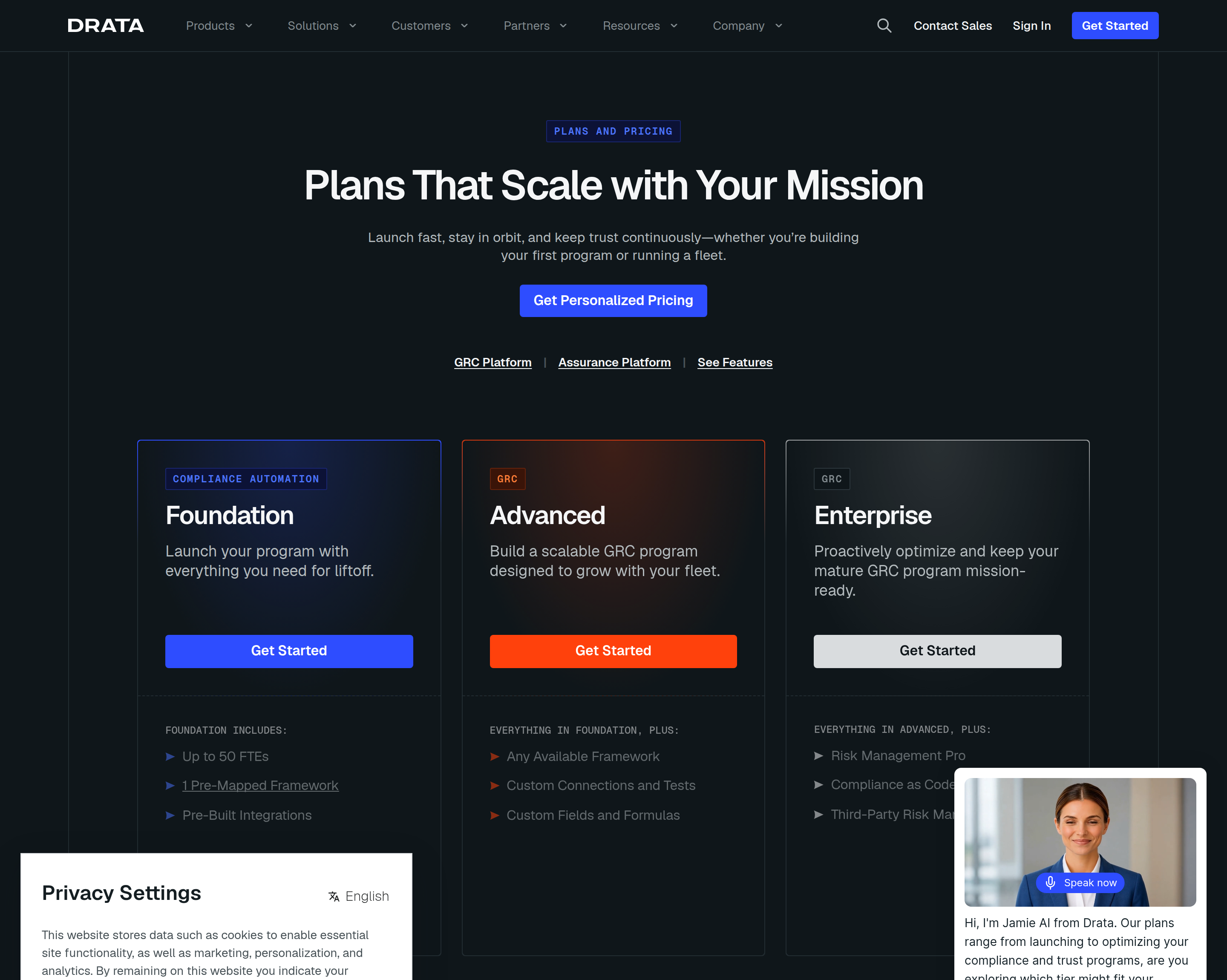
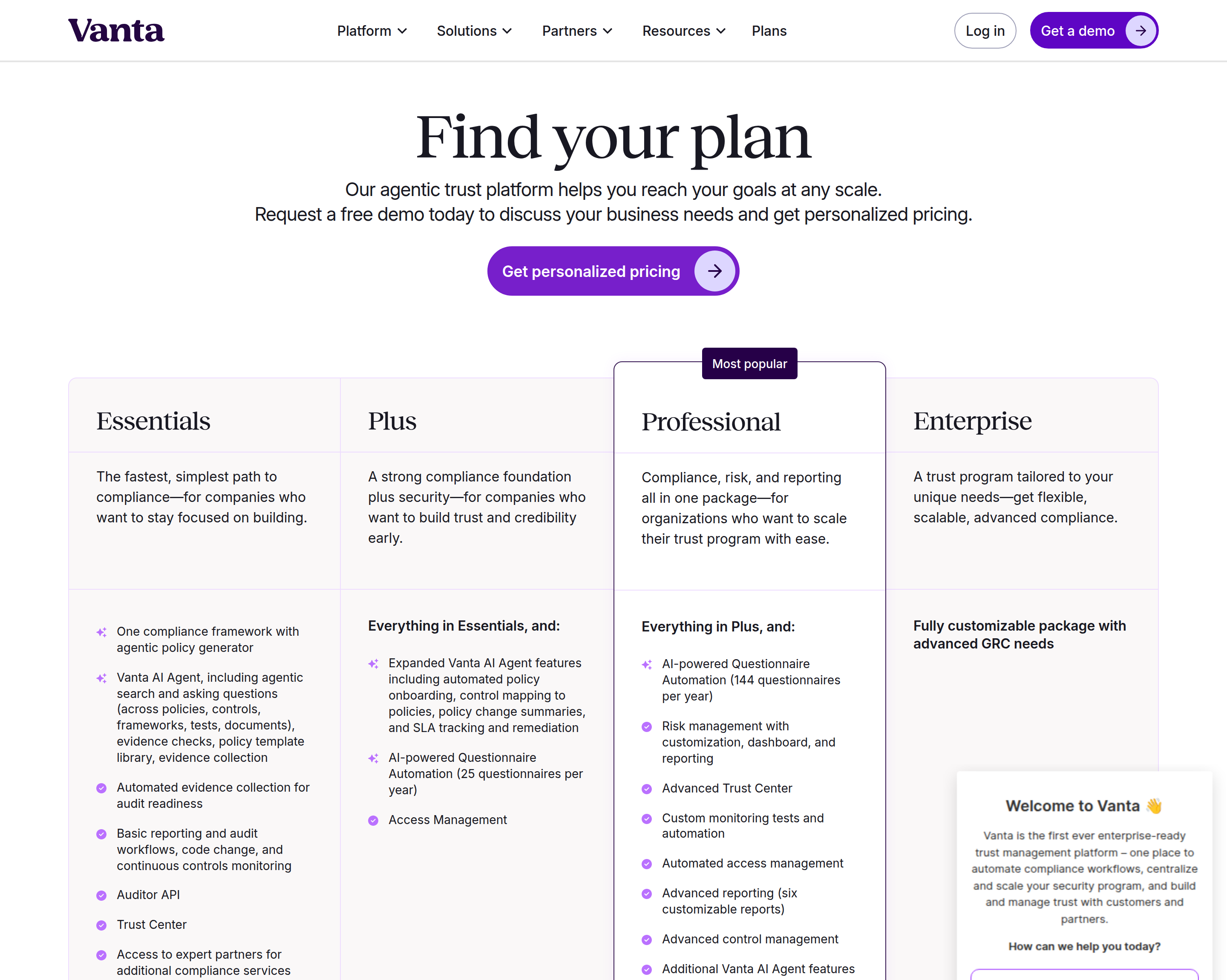
This matters for a reason beyond the sticker. When price is negotiated per customer and renegotiated at renewal, your second year is a conversation rather than a number, and that conversation is what brings most people to comparison pages in the first place.
Framework coverage compared
| Drata | Vanta | Venvera | |
|---|---|---|---|
| SOC 2, ISO 27001, HIPAA, GDPR, PCI DSS | Yes | Yes | Yes |
| FedRAMP, HITRUST, TISAX | Yes | Partly | No |
| NIS2 | Yes | Yes | Yes, per Member State transposition |
| DORA | Yes | Yes | Yes, with Register of Information filing in xBRL-CSV |
| eIDAS 2.0, MiCA, Solvency II, CRA | Not listed | Not listed | Yes |
| SAMA CSF, Saudi NCA ECC, UAE IA, Nigeria NDPA | Not listed | Not listed | Yes |
| Published pricing | No | No | Yes, from EUR 399 per month |
| Data residency | US-headquartered | US-headquartered | EU, Amsterdam |
| Customer references | Extensive | Extensive | None yet |
When neither is the right answer
Both are strong products, and for a US software company that needs SOC 2 followed by ISO 27001, the honest advice is to pick on integrations and commercial terms and get on with it.
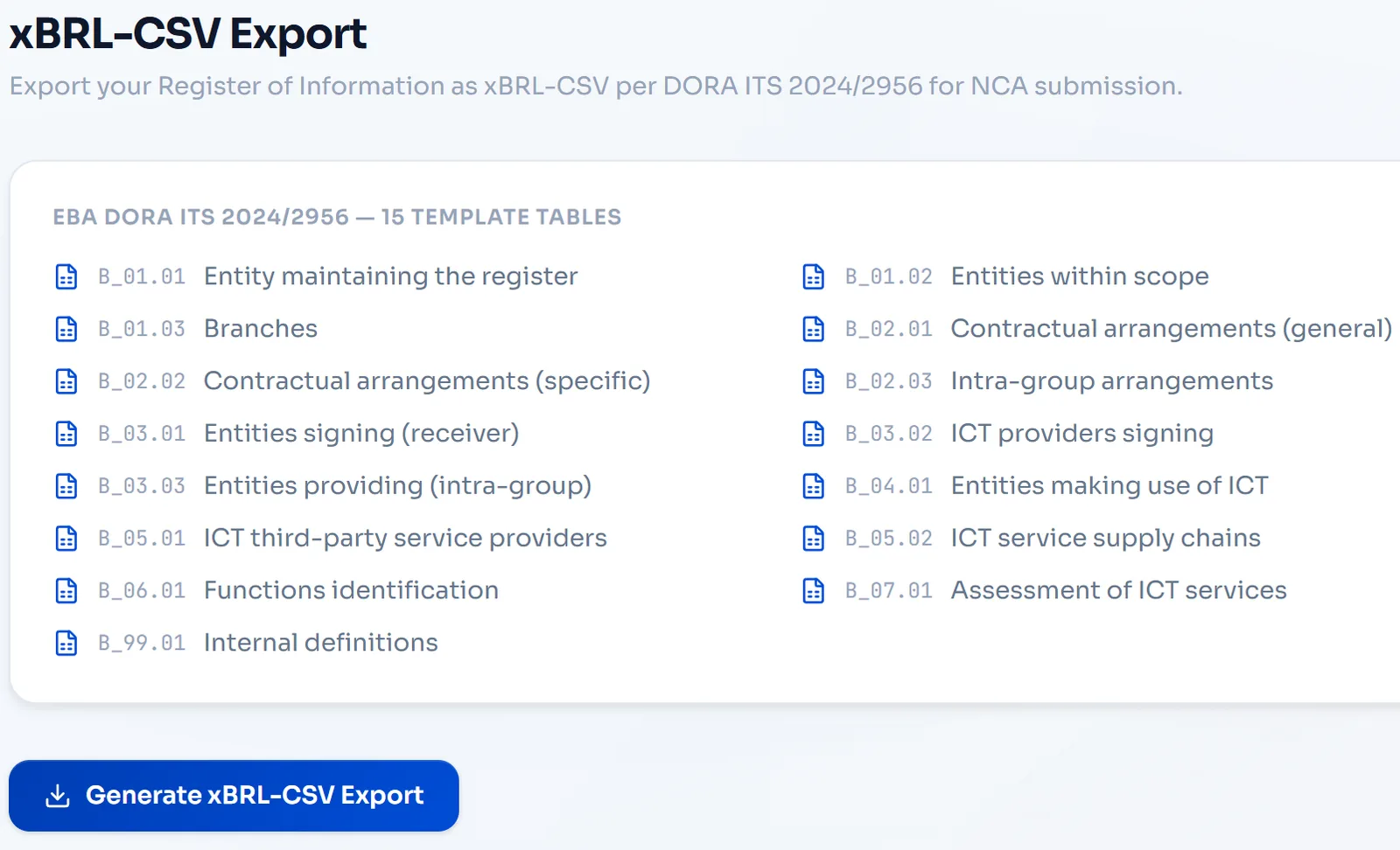
The comparison changes when your compliance year ends in a submission to a supervisor. A DORA Register of Information is fifteen linked templates filed as xBRL-CSV and rejected on structural validation. NIS2 binds you through national transposition, so obligations differ by Member State. Those are different deliverables from an auditor's evidence pack, and a platform built for the second does not automatically produce the first. We set this out in a Drata alternative for EU compliance.
Where Venvera falls short, stated plainly:
- No customer references yet. Venvera is a new product. If a long reference list is part of your evaluation, that counts against us and no argument changes it.
- A smaller integration library. The incumbents have spent years on connectors. Check the specific integration you depend on before anything else.
- No FedRAMP, HITRUST or TISAX. If any of those are on your roadmap, look elsewhere.
How to run the evaluation in one week
- List your must-have integrations first. This decides more evaluations than any feature matrix. A missing connector is a daily cost.
- Ask both for the renewal price, in writing. Year two is the number that matters.
- Give each the same evidence task. Pick one real control and ask to see collection, review and approval end to end.
- Ask your auditor which they prefer to work in. They have opinions and they are cheap to collect.
- If any EU regime applies, ask to see the filing artefact. Not a completeness dashboard, the exported file.
If the third option fits
Venvera publishes a flat price from EUR 399 per month, holds data in Amsterdam, and covers the EU and Gulf regimes alongside the audit standards. The free readiness check scores your position with no email gate, and Drata alternatives covers the wider field. If you conclude Drata or Vanta fits you better, that is a legitimate outcome of an honest comparison.
Frequently asked questions
Is Drata better than Vanta?
Neither is clearly better at core compliance automation. Vanta has the larger integration library and a more established trust center; Drata's audit workflow suits US audit firms well. Most buyers decide on integrations, commercial terms and the sales experience.
How much do Drata and Vanta cost?
Neither publishes a price. Both route you to a sales conversation, so the figure is negotiated per customer and again at renewal. We checked both pricing pages on 10 August 2026.
Do Drata and Vanta support DORA and NIS2?
Both list them. The question to ask either vendor is whether the platform produces the DORA Register of Information in the xBRL-CSV submission format, and whether NIS2 is modelled per Member State transposition rather than against the directive alone.
Which is better for a startup?
Either works. For a small team wanting less product for less money, lighter platforms in the category are worth a look, which we cover in Sprinto vs Vanta.
Both sit in the same group of the market; see who else competes with Drata, and on what for the wider picture.